

How To Evaluate Cosmetic Packaging Samples Before Bulk Production
A packaging sample is more than a visual preview. It is the first practical test of whether a design, material, and dispensing structure can meet the demands of commercial production and everyday use.
For cosmetic brands, wholesalers, and private label businesses, approving packaging samples is a critical step before placing a bulk order. A bottle may look attractive in a photograph but perform differently when filled with serum, lotion, or other cosmetic formulations. Problems such as leakage, inconsistent color, loose closures, poor pump performance, and printing defects can lead to product returns and unnecessary production costs.
A systematic cosmetic packaging quality inspection helps buyers identify these risks before committing to large quantities. It also provides a clear basis for communicating technical requirements to a cosmetic packaging manufacturer.
This guide explains how to evaluate cosmetic packaging samples, what to test before approval, and how to prepare for reliable bulk production.
Cosmetic Packaging Sample Evaluation Checklist
Before starting a detailed inspection, purchasing teams should establish consistent acceptance criteria. The following checklist can be used to compare samples from different suppliers and determine whether a packaging solution is ready for mass production.
| Evaluation Item | What to Check | Acceptance Criteria |
|---|---|---|
| Appearance | Scratches, stains, bubbles, deformation, and surface defects | Meets approved appearance standards |
| Dimensions | Height, diameter, neck finish, capacity, and component fit | Within agreed dimensional tolerances |
| Material | Material identification, thickness, rigidity, and surface quality | Matches approved specifications |
| Sealing Performance | Cap fit, gasket contact, and leakage under relevant conditions | No unacceptable leakage |
| Dispensing Function | Pump output, actuator movement, and dosage consistency | Operates reliably under defined test conditions |
| Compatibility | Contact with the intended cosmetic formulation | No unacceptable deformation, discoloration, or functional changes |
| Decoration | Printing, hot stamping, coating, color, and logo positioning | Matches approved artwork and color references |
| Assembly | Alignment, closure engagement, and component stability | Components fit and function as specified |
| Transportation | Resistance to vibration, impact, and handling | Meets the agreed packaging and transport requirements |
| Production Consistency | Variation between samples and production batches | Meets the approved inspection standard |
The exact testing requirements depend on the packaging format, material, cosmetic formula, and target market. Buyers should document the acceptance criteria before requesting final samples.
Check the Appearance and Dimensions of Cosmetic Packaging Samples
The first step is to inspect the sample under consistent lighting and measure its key dimensions. Appearance affects brand presentation, while dimensional accuracy determines whether the packaging can be filled, assembled, labeled, and packed correctly.
For cosmetic bottles, jars, and airless pump bottles, inspect the body shape, neck finish, wall consistency, base stability, and closure alignment. Look for visible scratches, contamination, uneven edges, sink marks, and other defects that could affect product presentation or function.
Use appropriate measuring tools to verify the dimensions against the approved drawing. Pay particular attention to the neck finish and closure interface because even small dimensional differences can affect cap engagement and sealing performance.
For custom cosmetic packaging, buyers should also confirm that the physical sample matches the approved 3D rendering or technical drawing. A visual rendering is useful for design review, but it cannot replace dimensional inspection of a physical sample.
Buyer tip: Record actual measurements instead of relying only on visual judgment. This makes it easier to identify deviations and communicate corrections before mass production.
Verify Material Quality and Cosmetic Compatibility
Packaging material selection should be based on the formulation, storage conditions, product positioning, and intended use. PET, PP, and acrylic are commonly used in cosmetic packaging, but each material has different properties and limitations.
PET is often selected for its clarity and lightweight structure. PP is used in a range of containers and functional components. Acrylic can support a more premium appearance, depending on the design and construction.
However, the material name alone does not establish compatibility with a cosmetic formula. Ingredients, fragrances, oils, solvents, temperature, and storage duration may influence packaging performance.
To evaluate cosmetic packaging samples properly, buyers should:
Confirm the specified material and component structure with the supplier.
Fill the sample with the actual formula or a representative formulation.
Observe changes in color, odor, shape, surface condition, and product appearance.
Check for swelling, cracking, stress deformation, or other unexpected changes.
Establish an appropriate compatibility testing period based on the formula and intended shelf life.
For products with complex formulations, conduct additional laboratory or stability testing where necessary. A short sample test cannot establish long-term compatibility on its own.


Test Sealing Performance and Leakage Resistance
Leakage is one of the most important risks to assess before ordering cosmetic packaging in bulk. Even a visually perfect bottle can become unsuitable if its closure, gasket, or dispensing mechanism does not seal reliably.
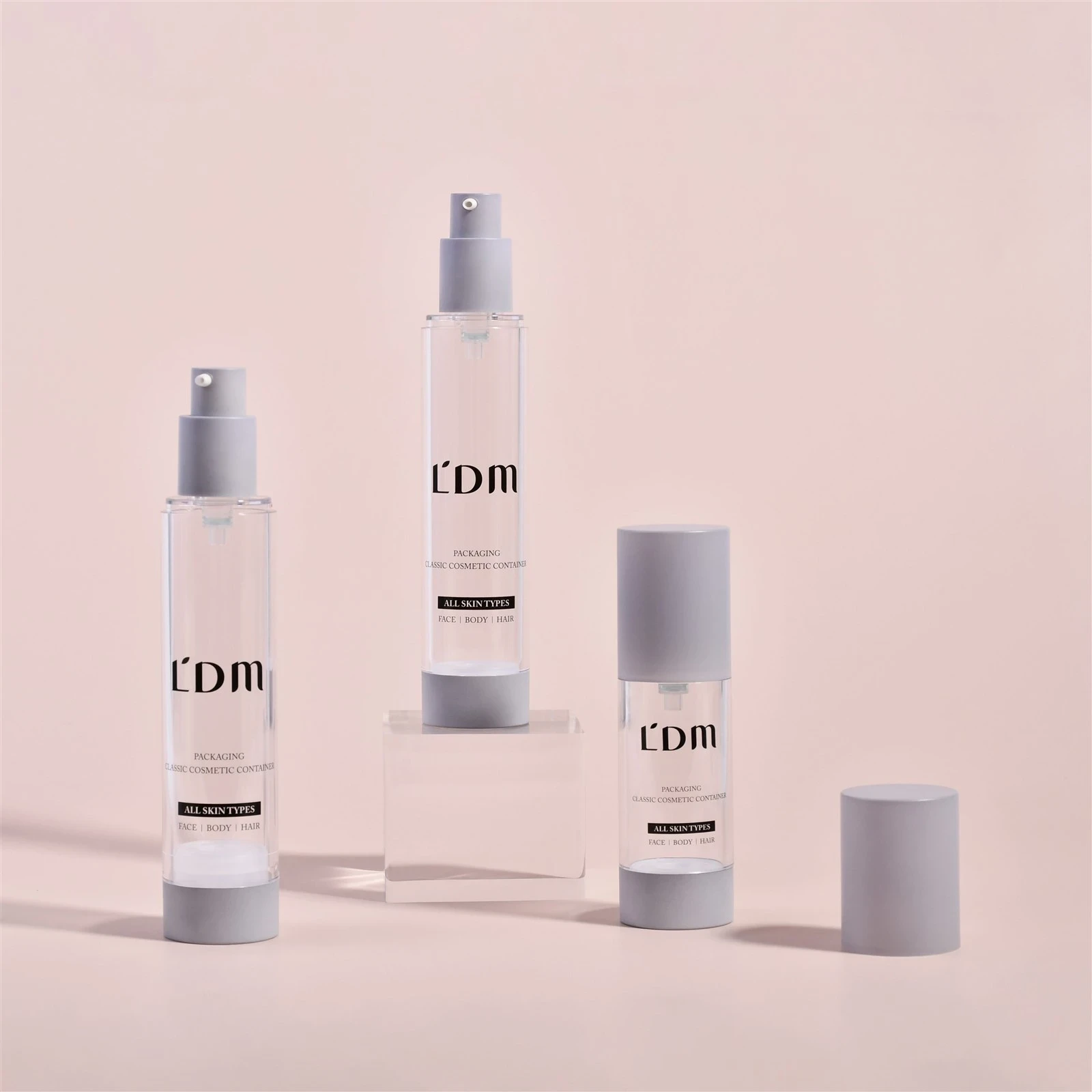
Begin by checking the fit between the bottle neck and cap, the engagement of threaded closures, and the condition of any sealing components. For airless pump bottles, examine the connections between the bottle body, pump assembly, and dispensing outlet.
Fill the sample with the intended formula or an appropriate test liquid, then conduct tests under defined conditions. These may include upright storage, inverted storage where appropriate, temperature exposure, and transportation simulation.
For each test, document the filling level, storage duration, orientation, temperature, and inspection results. This creates a repeatable method for comparing different cosmetic packaging suppliers.
Not every package requires the same test conditions. The procedure should reflect the product's viscosity, packaging structure, transportation route, and expected storage environment.
Important: A sample that passes a simple water test is not automatically suitable for every cosmetic formula. Viscosity, surface tension, chemical composition, and dispensing design can all influence performance.
Evaluate Pump Performance and Ease of Use
For lotion bottles, serum containers, and airless skincare packaging, dispensing performance directly affects the consumer experience. Buyers should test more than whether the pump can dispense liquid once.
Evaluate the following factors:
Priming: Determine how many actuations are required before the product begins dispensing.
Output consistency: Measure whether successive actuations deliver reasonably consistent quantities.
Actuation force: Check whether the pump can be pressed comfortably without excessive resistance.
Return function: Confirm that the actuator returns to its intended position after use.
Product evacuation: Assess how effectively the system dispenses the formulation as the container empties.
Closure protection: Check whether the cap or locking mechanism remains secure during normal handling.
Airless pump bottles require particular attention to priming behavior, piston movement, and the interaction between the formulation and dispensing system.
If a package is designed for a thick cream or a high-viscosity serum, test it with that type of formulation rather than assuming performance based on water alone.
For wholesale cosmetic packaging orders, buyers should record the agreed dispensing requirements and use the same test method when reviewing pre-production samples and subsequent production batches.
Inspect Printing, Color, and Surface Decoration
Packaging appearance must remain consistent with the brand's approved identity. This is especially important for private label cosmetics, where the container, logo, and color scheme are part of the product's market positioning.
Review the sample against the approved artwork and color reference. Check logo placement, text alignment, font clarity, printing coverage, and the consistency of decorative effects.
Depending on the project, the inspection may cover screen printing, hot stamping, spray painting, coating, frosting, and other surface finishes.
Also consider the durability of the decoration. Rub testing, tape testing, or other suitable adhesion checks may be required depending on the finish and the customer's quality standards.
Buyers should pay attention to small details that may become more noticeable across large production quantities, including inconsistent metallic finishes, color differences between components, and slight shifts in printed artwork.
When approving custom cosmetic packaging, retain a signed or otherwise formally approved reference sample. If color accuracy is important, specify an agreed color standard and evaluation conditions rather than relying on photographs displayed on different screens.
Assess Assembly Quality and Component Compatibility
Cosmetic packaging often consists of multiple components rather than a single container. A bottle may include a pump, collar, cap, gasket, or decorative outer shell. A deodorant container may incorporate a twist-up mechanism and several fitted parts.
Inspect each component individually before evaluating the assembled package.
Check whether the parts fit correctly, whether closures engage smoothly, and whether the assembled product remains stable during ordinary handling. Look for gaps, misalignment, excessive looseness, difficult assembly, or interference between moving components.
For custom cosmetic packaging development, assembly testing should also consider the filling and capping equipment used by the buyer. A package that works manually may still create difficulties on an automated filling line if its dimensions, orientation, or closure design are unsuitable.
Share relevant filling-line specifications with the supplier before final approval. This allows potential production issues to be identified during development rather than after the packaging arrives at the filling facility.
Evaluate Transportation Resistance and Packaging Protection
Cosmetic packaging must maintain its condition throughout storage, handling, and international transportation. Buyers should therefore evaluate both the individual container and the protective packaging used for shipment.
Depending on the product and distribution route, relevant tests may include vibration, drop testing, compression, temperature exposure, and handling simulation.
Inspect the sample for cracks, deformation, loose closures, damaged decoration, and other changes after testing. If the cosmetic formula is already filled, also check for leakage and any visible changes to the product.
The secondary packaging matters as well. Cartons, dividers, protective bags, and internal supports should be suitable for the container's shape and fragility.
For international wholesale cosmetic packaging orders, agree on the packing method and shipping requirements before mass production. This helps reduce avoidable transit damage and provides a clearer basis for evaluating supplier performance.
Confirm That the Approved Sample Can Be Reproduced in Bulk
Passing sample inspection is not the final step. Buyers must also determine whether the supplier can reproduce the approved design consistently at the required production volume.
A prototype may be manufactured under conditions that differ from normal production. Material batches, molding conditions, tooling, assembly methods, and decoration processes can influence the finished product.
Before approving bulk production, confirm the following:
The final material specifications and component drawings are documented.
The mold, tooling, and production process are suitable for the agreed design.
The approved sample reflects the intended mass-production configuration.
Inspection standards and acceptable defect limits have been agreed upon.
Color, dimensions, assembly, and functional performance can be checked during production.
Any changes to materials, components, or manufacturing processes require appropriate review and approval.
For newly developed private mold cosmetic packaging, mold validation and production trials are particularly important. They help identify dimensional variation, assembly issues, and manufacturing limitations before the order reaches full scale.
A clear approval process also helps purchasing teams compare quotations fairly. The lowest unit price may not provide the best overall value if the supplier cannot maintain consistent quality or meet the required delivery schedule.
Why Choose Shaoxing Longderm Plastic Co., Ltd. for Cosmetic Packaging Development?
Shaoxing Longderm Plastic Co., Ltd. provides cosmetic and personal care packaging solutions for brands seeking custom development and scalable manufacturing. Its product range includes cosmetic bottles, airless pump bottles, deodorant containers, and cosmetic jars.
For buyers evaluating cosmetic packaging samples before bulk production, the supplier's engineering and manufacturing capabilities are important because sample approval must translate into repeatable production results.
Integrated Custom Packaging Development
Longderm supports packaging projects from concept development and structural design through mold engineering, sampling, and mass production. This integrated approach helps buyers address design feasibility and manufacturing requirements before committing to a large order.
Private Mold and Structural Customization
When standard packaging does not meet a brand's requirements, Longderm offers private mold development and customized structural solutions. This is relevant for projects involving distinctive container shapes, specialized dispensing systems, or brand-specific packaging designs.
Multiple Packaging Formats
The company's range covers cosmetic bottles, jars, airless pump bottles, and deodorant containers. Buyers developing multiple products can discuss packaging formats and customization requirements within one supplier relationship.
Manufacturing-Oriented Quality Control
Longderm describes its manufacturing approach as emphasizing dimensional accuracy, assembly performance, material stability, and consistency during large-scale production. Buyers should confirm the specific inspection procedures, testing records, and acceptance criteria applicable to their individual projects.
Support from Sampling to Bulk Orders
Longderm provides development and sampling support to help customers evaluate packaging before production. For a new project, buyers should submit their target capacity, material preferences, formula characteristics, decoration requirements, expected order quantity, and technical drawings where available.

Conclusion
Evaluating cosmetic packaging samples before bulk production is a practical way to control quality risks, avoid unnecessary costs, and improve the reliability of a packaging project. Buyers should examine appearance, dimensions, material compatibility, sealing, dispensing, decoration, assembly, and transportation performance before giving final approval.
The process should not end when one sample looks acceptable. The approved design must also be suitable for the intended filling process and reproducible under normal manufacturing conditions.
For brands seeking a custom cosmetic packaging manufacturer, Shaoxing Longderm Plastic Co., Ltd. offers packaging development and manufacturing support across bottles, jars, airless pump bottles, and deodorant containers. By defining requirements early, testing samples systematically, and documenting acceptance criteria, buyers can make more informed sourcing decisions and move into bulk production with greater confidence.
Previous: No Information