

What Are The Benefits Of Airless Packaging?
With the continuous development of the skin care and high-end cosmetics market, packaging forms are also constantly upgrading. Among them, vacuum airless packaging is being favored by more and more brands due to its superior sealing performance and ability to extend the shelf life of products. Airless packaging can not only effectively isolate air, reduce product oxidation and pollution, but also improve the user experience and accurately control the quantity. This article will take you to a comprehensive understanding of the main advantages of airless packaging, and analyze its important position and development trend in modern beauty and skin care packaging.
Content
1. Core advantages: direct benefits brought by technical characteristics
2. Analysis of industry application scenarios
3. Comparison with traditional packaging
4. Challenges and future trends
1. Core advantages: direct benefits brought by technical characteristics
Vacuum airless packaging cosmetic bottles excel in product protection with their advanced sealing technology. By isolating air and microorganisms, they effectively prevent the active ingredients in skin care products from oxidizing or deteriorating, significantly extending the shelf life of the products. At the same time, its sealing structure can also prevent liquid leakage, which is particularly suitable for high-viscosity or high-value products such as essences and medical beauty skin care products, ensuring safety and integrity during transportation and use.
In terms of user experience, airless packaging also has obvious advantages. Its pump head or press-type design can achieve precise quantitative liquid discharge, facilitate dosage control, reduce waste, and improve user satisfaction. In addition, many vacuum bottles use matte texture materials and refillable structures, which not only enhance the brand's sense of luxury, but also reflect the environmental protection concept of sustainable development, and are increasingly favored by consumers and brands who focus on green consumption.
2. Analysis of industry application scenarios
Protective packaging for essences and lotions
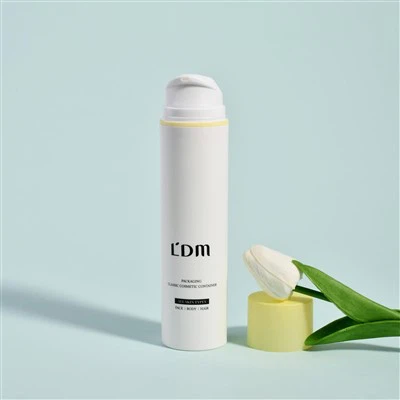
In the cosmetics industry, vacuum airless packaging is widely used in high-end essences, lotions and other products that require high ingredient activity. These products usually contain easily oxidized ingredients such as vitamin C, hyaluronic acid or peptides. If they are frequently exposed to air, their efficacy will easily decrease. The vacuum airless bottle prevents air and microorganisms from entering the container through an internal piston structure or a pump head design without air reflux, thereby greatly improving the stability and life cycle of the formula. Compared with traditional dropper bottles or wide-mouth bottles, airless packaging performs better in maintaining product purity and preventing contamination, becoming an important choice for mid-to-high-end skin care brands to protect product value and differentiated experience.
Medical beauty and skin repair products
In cosmeceuticals, postoperative repair and sensitive skin products, vacuum bottles have become a key packaging method to ensure the safety of formulas. These products usually emphasize "sterile", "low irritation" and "no preservatives". Vacuum packaging can effectively isolate external pollution without adding a large amount of preservatives, avoid finger contact with the contents, and reduce the risk of secondary contamination. Therefore, many dermatologists recommend the use of vacuum packaging to improve the safety and professionalism of products.

Sustainable and natural ingredient skin care brands
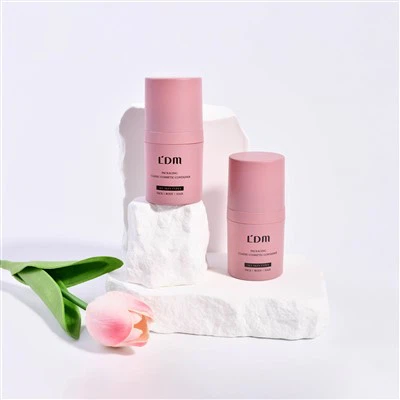
With the development of environmental protection concepts and the "Clean Beauty" trend, more and more skin care brands that focus on natural, organic or additive-free formulas choose to use vacuum packaging bottles. This type of packaging not only helps products remain stable under low or no preservative conditions, but is also often used in combination with environmentally friendly materials such as PCR (recycled plastic) to strengthen the brand's sustainable development image. For consumers who pursue health and ecological concepts, vacuum packaging is an ideal choice for natural skin care products.
3. Comparison with traditional packaging
Although the initial design and production costs of vacuum airless packaging are relatively high, especially when it comes to special pump heads, piston systems and sealing structures, it has significant economic advantages from the perspective of long-term use. Its high sealing and precise liquid discharge function effectively reduce the return and exchange problems caused by product waste and pollution, and extend the shelf life. It is particularly suitable for high-value skin care products and essences. Compared with traditional wide-mouth bottles or dropper bottles, airless packaging can better protect the active ingredients of products and reduce the loss caused by oxidation or secondary pollution, thereby helping brands save more maintenance and after-sales costs in overall operations.
Traditional cosmetic packaging is mostly made of glass or general plastic materials. Although the cost is low, there are problems such as fragility, heavy weight and poor chemical stability. Vacuum airless packaging generally uses high-performance materials such as PP and PET. These materials not only have stronger corrosion resistance and oxygen barrier properties, but also take into account lightweight design, which is easy to transport and carry. In addition, many airless bottle structures also support refillable or modular design, which is more in line with the needs of modern brands for environmentally friendly and sustainable packaging. Overall, airless packaging is superior to traditional packaging in terms of function, safety and material performance, and adapts to the development trend of the high-end cosmetics market.


4. Challenges and future trends
Although the wide application of vacuum airless packaging in the cosmetics industry has shown significant advantages, it also faces certain technical challenges. Due to its complex internal structure, including multiple precision components such as pistons, pump heads and sealing systems, once a fault occurs, such as seal failure or poor liquid discharge, it is difficult to repair and difficult for users to handle it by themselves. In addition, during transportation and long-term use, if the sealing performance is unstable, it may also cause the vacuum system to fail, affecting the user experience and product protection effect. These technical limitations make the manufacturing process more demanding in terms of precision, and also increase the complexity of quality control and after-sales service.
Faced with these challenges, the industry is actively exploring a number of innovative directions. In the future, vacuum airless packaging will tend to be intelligent and environmentally friendly. For example, smart pump heads with integrated flow sensors will help users monitor usage in real time and improve usage accuracy; in terms of materials, the use of bio-based plastics, recyclable materials and replaceable components will further reduce carbon footprints and fit the trend of sustainable consumption. At the same time, modular and standardized refillable designs can also help extend the packaging life cycle and reduce overall costs. As consumers' demand for high-quality and environmentally friendly packaging increases, vacuum airless packaging is gradually evolving from a "protective container" to an important strategic tool for enhancing brand value and user experience.
In summary, vacuum airless packaging is becoming an important packaging solution for many industries such as cosmetics, medicine, and home furnishings due to its excellent sealing, precise quantity control, and effective protection of active ingredients in products. It not only extends the shelf life of products and improves user experience, but also conforms to the trend of environmental protection and sustainable development. With the continuous advancement of technology and material innovation, vacuum airless packaging will have a wider application prospect in the future and become an important carrier for brands to achieve the combination of high-quality packaging and green concepts.