

2025 Deodorant Container Packaging Selection Guide
Introduction
In 2025, the deodorant market continues to grow, and consumers are becoming more discerning about product effectiveness and packaging. Deodorant container packaging is more than just a container that holds the product; it plays a vital role in product protection, brand identity, and user experience. This guide aims to provide a comprehensive overview of the various deodorant container packaging options available in 2025.
Table of Contents

1. Deodorant Container Packaging Types
2.actors Influencing Deodorant Container Packaging Selection
3. Shaoxing Langdemu Plastic Industry Co., Ltd's advantages in deodorant container packaging
1. Deodorant Container Packaging Types
A. Stick Packaging
Traditional Twist-Up Stick
Design & Functionality: The traditional twist-up stick is a classic deodorant packaging design. It usually consists of a plastic base with a thread mechanism. The deodorant product is placed in a cylindrical body, and by rotating the base, the deodorant rises to the top for use. This design makes application convenient and controllable, and is therefore favored by consumers.
Material: Most traditional stick containers are made of high-density polyethylene (HDPE) or polypropylene (PP). These plastics are lightweight, durable, and have good chemical stability, ensuring that the deodorant product remains stable and protected.
Innovations in 2025: By 2025, some manufacturers are exploring the use of biodegradable plastics in stick packaging. These eco-friendly alternatives, such as polylactic acid (PLA), come from renewable resources and can reduce the environmental impact of packaging waste. In addition, some designs incorporate a more ergonomic grip at the base of the stick, making it easier for users of different hand sizes to hold and twist.
Push-Up Sticks
Design and Functionality: Push-up deodorant containers have a different mechanism than twist-on deodorant containers. Instead of having a threaded base, push-up deodorant containers push the deodorant out from the bottom with a simple push. This design may be more intuitive for some users, especially those who find the twisting action of traditional twist-on deodorant containers difficult to operate.
Materials: Similar to roll-up sticks, push-up sticks are typically made of plastics such as HDPE and PP. Some luxury brand deodorants may use higher quality plastics and incorporate metal accents in the design to create a more high-end look.
Innovations in 2025: In the current year, push-up stick packaging has improved in terms of hygiene. Some new designs feature built-in caps that slide over the deodorant product when it is not in use, preventing dust and bacteria from coming into contact with the surface of the deodorant.
B. Spray Packaging
Aerosol Sprays
Design and Functionality: Aerosol deodorant sprays are popular because they apply evenly and quickly. They consist of a metal can filled with the deodorant product and a propellant. When the nozzle is pressed, the propellant pushes the deodorant out in a fine mist. Aerosol sprays cover a larger area than stick deodorants, making them better for those who like to apply more.
Materials: Cans are typically made of aluminum, which is lightweight, corrosion-resistant, and can withstand the pressure of the propellant. The nozzle and valve assembly are typically made of plastic or a combination of plastic and metal. Aluminum is chosen because it protects the deodorant product from light and air, which can affect product quality over time.
Innovations in 2025: By 2025, aerosol packaging will be increasingly sustainable. Some manufacturers are using recycled aluminum for their cans, reducing the need for virgin materials. There are also efforts to develop more efficient valves that can more precisely control the spray pattern, thereby reducing product waste.
Pump Spray
Design & Functionality: Pump spray deodorants work through a manual pumping mechanism. The user presses down on the pump head, which draws the deodorant out of the bottle and sprays it in a fine mist. Compared to aerosol sprays, this packaging gives the user more control over the amount of product used.
Materials: Pump spray bottles are usually made of glass or plastic. Glass offers a higher-end look and is highly resistant to chemical reactions, but it is heavier and more fragile. On the other hand, plastic bottles are lightweight, shatterproof, and more affordable. The pump head is usually made of plastic and metal components, designed to be durable and easy to operate.
Innovations in 2025: In the current year, pump spray packaging is evolving, adding smart features. Some new pump spray products have an indicator built into them that shows how much product is left in the bottle. This helps users know when they need to replace the deodorant, thereby reducing waste.
C. Roll-on packaging
Traditional roll-on
Design and function: Traditional roll-on deodorants include a bottle with a ball-shaped applicator. The deodorant product is stored in the bottle, and when the ball is rolled on the skin, the product is released evenly. This packaging is very convenient for precise application and is a popular choice for those who prefer a more precise application method.
Material: The bottle is usually made of plastic, such as PET (polyethylene terephthalate), which is lightweight, transparent and has good barrier properties. The ball applicator is usually made of glass or plastic. People usually prefer glass balls because they are smooth and durable, while plastic balls are more affordable.
Innovation in 2025: By 2025, traditional roll-on packaging will be improved in terms of preventing leakage. Some new designs have better sealing of the bottle-applicator connection, reducing the risk of leakage during storage and transportation of the product.
Dual chamber roll-on
Design and function: The dual-chamber roll-on bottle is a more advanced form of roll-on packaging. They have two separate chambers within the bottle that can combine two different deodorant formulas or ingredients. For example, one chamber can contain a long-lasting deodorant while the other chamber can contain a skincare ingredient. When the rollerball is rolled, the two products mix and are used together.
Materials: Similar to traditional rollerballs, dual-chamber rollerball bottles are usually made of plastic. However, the internal chamber separation and dispensing mechanism requires more complex engineering design. Use high-quality plastics and precision-made components to ensure the proper function and integrity of the product.
Innovation in 2025: In the current year, dual-chamber rollerball packaging is becoming more user-friendly. Some designs have clear indicators on the bottle that show the amount remaining in each chamber, allowing users to know when to change the deodorant.

2. Factors Influencing Deodorant Container Packaging Selection
A. Product Characteristics
Formulation Type
Different deodorant formulas require specific packaging to maintain their stability and effectiveness. For example, liquid-based deodorants are better suited for spray or rollerball packaging because they can be easily dispensed in these formats. On the other hand, solid deodorant formulas are best suited for stick packaging. If the deodorant contains volatile ingredients, it will need packaging with good airtightness, such as an aerosol can or a well-sealed bottle to prevent the evaporation of these ingredients.
Scent and Aroma
The scent of the deodorant will influence the packaging choice. Some scents may be more commonly associated with a particular packaging style. For example, a luxury, high-end perfumed deodorant may be more likely to be packaged in a glass bottle pump spray or a stick package with a premium-looking casing to enhance the overall luxury experience. In addition, the packaging material should not react with the fragrance of the deodorant, as this may change the fragrance over time.
B. Target Market
Demographics
The age, gender, and lifestyle of the target market play an important role in packaging selection. For younger consumers, trendy and innovative packaging designs may be more appealing. For example, a deodorant targeted at teenagers may feature bright colors, unique shapes, or interactive elements in the packaging. On the other hand, a deodorant targeted at a more mature, sophisticated market may have a more minimalist and elegant packaging design. Gender-specific packaging is also common, with men's deodorant packaging often featuring more masculine designs, such as darker colors and more angular shapes, while women's deodorants may feature more muted colors and rounded shapes.
Consumer Preferences
Personal consumer preferences for application methods can also influence packaging choices. Some consumers prefer the quick, even coverage of spray deodorants, while others prefer the precision or ease of use of roll-on or stick deodorants. Understanding these preferences can help manufacturers choose the most appropriate packaging for their products.
C. Environmental Considerations
Sustainability Trends
By 2025, environmental sustainability will be a focus for both consumers and manufacturers. Packaging materials that are recyclable, biodegradable, or made from renewable resources will become increasingly popular. For example, as mentioned earlier, the trend toward biodegradable plastics in stick packaging or recycled aluminum in aerosol cans is on the rise. Brands that prioritize sustainable packaging are likely to attract environmentally conscious consumers.
Regulatory Requirements
There are also several regulatory requirements related to environmental packaging. Some regions may have specific regulations on the use of certain materials, such as restricting the use of certain types of plastics or requiring the use of recyclable packaging labels. Manufacturers need to ensure that their deodorant container packaging complies with these regulations.
D. Cost and Production
Packaging Material Cost
The cost of packaging materials is an important factor. Different materials have different price points. Generally speaking, glass packaging is usually more expensive than plastic packaging, and metal parts also increase costs. High-end antiperspirants may require the use of more expensive packaging materials, while mass-market products may need to focus on more cost-effective options.
3. Shaoxing Langdemu Plastic Industry Co., Ltd's advantages in deodorant container packaging
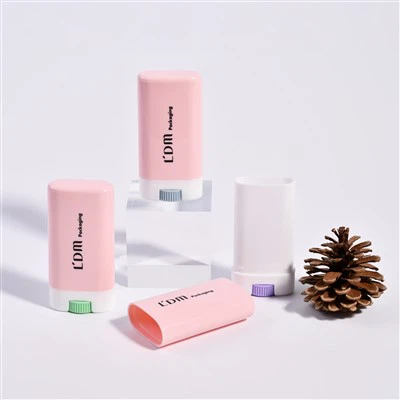
As a company focusing on various types of cosmetic packaging, Langdemu is committed to providing high-quality packaging solutions for the cosmetics industry. It has advanced production equipment that can accurately produce plastic cosmetic bottles, acrylic bottles and other packaging. The currently popular ones such as Deodorant With Reusable Container, Deodorant Empty Bottle, etc. are of high quality and provide a stable "guarantee" for the active ingredients of the deodorant.
Importantly, Langdemu strictly screens raw materials to ensure the safety and reliability of deodorant containers, and through continuous innovation and improvement, provides exclusive customization services according to different brand styles and consumer preferences, making each deodorant packaging unique.
In summary, deodorant container packaging in 2025 presents a variety of types and innovative trends. From sticks, sprays to roll-on packaging, each type is constantly innovating in design, function and materials to meet consumers' needs for effectiveness, convenience and environmental protection. Product characteristics, target markets, environmental considerations, costs and production factors also have a profound impact on the choice of packaging. Excellent manufacturers like Shaoxing Langdemu Plastic Industry Co., Ltd, with their advantages such as advanced equipment, strict material selection and customized services, can provide high-quality packaging for the deodorant industry, help brands stand out in the fiercely competitive market, and promote the deodorant packaging industry to a better future.